Omega-3 dhe vitamina D

Omega-3 dhe vitamina D – dy lëndët ushqyese thelbësore

Omega-3 dhe vitamina D janë dy lëndë ushqyese të rëndësishme që trupi ynë i nevojitet për të funksionuar në mënyrë optimale. Por si funksionojnë këto lëndë ushqyese në trup?

Omega-3 dhe vitamina D – cili është ndryshimi?

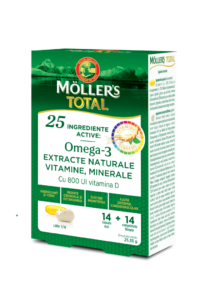
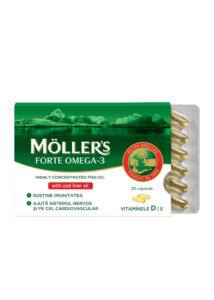
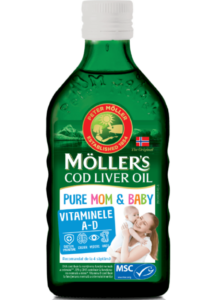
Edhe pse disa ushqime dhe suplemente, si peshku dhe Möller’s Cod Liver Oil (CLO), përmbajnë si omega-3 ashtu edhe vitaminë D, ato gjenden gjithashtu veçmas në ushqime të ndryshme shtazore dhe bimore.

Omega-3 për zemrën, trurin dhe sytë

Studimet tregojnë se acidet yndyrore omega-3 EPA dhe DHA janë të përfshira në procese jetësore të trupit, si blloke ndërtuese të sistemit kardiovaskular, duke pasur një efekt pozitiv në zemrën e njeriut. Gjithashtu, acidi yndyror DHA është unik për rolin e tij si acidi omega-3 më i rëndësishëm për trurin dhe shikimin.

Studimet tregojnë një lidhje midis marrjes së DHA nga nëna gjatë shtatzënisë dhe zhvillimit normal të trurit të fetusit. Po ashtu, DHA luan një rol në ruajtjen e funksionimit normal të trurit gjatë gjithë jetës.

Vitamina D

Vitamina D gjendet në ushqime si peshku yndyror dhe vezët e peshkut, si dhe në suplemente si Möller’s CLO. Format më të zakonshme të vitaminës D janë D2 dhe D3. Vitamina D3 është forma e preferuar, pasi trupi e thith, shpërbën dhe përdor më lehtë.

Ndërsa vitamina D2 gjendet në ushqime si kërpudhat, D3 gjendet në burime ushqimore shtazore.

Vitamina D kontribuon në zhvillimin e një strukture të fortë të kockave tek fëmijët dhe në ruajtjen e një sistemi imunitar të shëndetshëm dhe strukture normale të kockave gjatë gjithë jetës.

Sa Omega-3 dhe vitamina D – ju duhen?

NHS ka bërë rekomandime të qarta për marrjen ditore të vitaminës D:

  • Foshnjat deri në moshën 1 vjeç: 8.5–10 mikrogramë vitaminë D në ditë.
  • Fëmijët nga mosha 1 vjeç dhe të rriturit: 10 mikrogramë vitaminë D në ditë, përfshirë gratë shtatzëna dhe ato që ushqejnë me gji, si dhe personat me rrezik të mungesës së vitaminës D.

Nga fundi i marsit/fillimi i prillit deri në fund të shtatorit, shumica e njerëzve mund të marrin të gjithë vitaminën D të nevojshme nga drita e diellit mbi lëkurë. Sidoqoftë, gjatë vjeshtës dhe dimrit, është e nevojshme të merrni vitaminën D përmes ushqimit ose suplementeve.

Siç thuhet në faqen e internetit të NHS, “Gjatë vjeshtës dhe dimrit, të gjithë (përfshirë gratë shtatzëna dhe ato që ushqejnë me gji) duhet të konsiderojnë marrjen e një suplementi të përditshëm me 10 mikrogramë vitaminë D.

Marrja e omega-3 përmes ushqimit

NHS gjithashtu rekomandon të hani të paktën dy vakte peshk yndyror në javë, që përkon me 300–450 gramë peshk të pastër. Nga kjo sasi, 200 gramë duhet të jenë peshk yndyror si salmoni, trofta, skumbria dhe harenga, të cilët përmbajnë më shumë acide yndyrore omega-3.

Salmoni, për shembull, përmban 2.4 gramë omega-3 EPA dhe DHA për 100 gramë. Për të përfituar nga efektet e EPA dhe DHA, ju duhet të merrni 250 mg nga këto acide yndyrore çdo ditë.
What is good health?

Do you have a good lifestyle?

Lifestyle simply means the way in which you live. Health and lifestyle go hand in hand. You might feel you have a good lifestyle if you are physically active, eat healthily and generally experience a sense of wellbeing. Conversely, if you want good health you should also have a good lifestyle.

Physical activity is the major contributor to a good lifestyle, but diet, drugs, stress, sleep and social conditions are also play an important role. Being able to use the body properly to avoid injury also affects lifestyle. Physical activity can also prevent depression and help you to recover more quickly from mental illness, both of which obviously affect your lifestyle.

Diet can be a difficult topic for many. Perhaps you eat too much or too little or maybe you find it hard to know what foods to combine to have a balanced diet. It’s also important to eat food that contains important vitamins, minerals and dietary fibre, omega-3 and antioxidants. On top of all this, you also need to get enough energy, protein and the correct fatty acids. The requirement for these nutrients changes throughout your life. When you are older you also have different requirements than children and younger adults. Women also have different requirements than men. Pregnant and breastfeeding mothers also have special requirements.

When you get older, you lose muscle mass and your body requires less energy and therefore less food. You may lead a less active life than you did before, which is why you require less food. However, your need for minerals, vitamins and other nutrients remains the same. Of course, there are plenty of healthy and active older people, but when you reach 70 to 80 years of age, it’s easier to become ill, especially during flu season.

Some steps you can take to improve your lifestyle and health are to:

What is good quality of life?

The World Health Organisation (WHO) defines quality of life as a state where the individual can realise their potential, cope with normal stressful situations, work in a rewarding and positive way, and be able to contribute to others and society. 

Quality of life is a wide and somewhat diffuse concept that includes joy in, and a desire for, life. These are values that are rather felt than measured, which in turn are based on personal environment and choices. Quality of life doesn’t necessarily depend on being healthy or sick. It’s the moments between worries, sorrows, problems and ailments that matter. For example, if you have a chronic illness, a feeling of mastery can be important when talking about quality of life.

To sum up, quality of life is a combination of health, lifestyle, networks and social support. It’s about experiencing joy, meaning in life, satisfaction, security and a sense of belonging, as well as being able to use your strengths. It’s also about feeling interest in life, coping with everyday situations and a being committed to something or someone. If you have good quality of life, you will be able to cope better with the inevitable stressful situations in life.

Produktet tona