Vitamina E

Vitamina E – Miku më i mirë i qelizave

Në mes shumë përfitimeve tjera, vitamina E ndihmon në mbrojtjen dhe mirëmbajtjen e qelizave të trupit tuaj. Por sa ju nevojitet, ku mund ta gjeni dhe a është e mundur të merrni më shumë seç duhet?

Vetitë e vitaminës E

Me efektet e saj antioksiduese, vitamina E parandalon stresin oksidativ në qeliza duke penguar oksidimin e acideve yndyrore të pangopura dhe vitaminave A dhe D në qeliza. Kjo është mënyra se si vitamina E ndihmon për të mbajtur qelizat të shëndetshme.

Çfarë ndodh kur ka mungesë të vitaminës E?

Mungesa e vitaminës E është e rrallë në një dietë moderne perëndimore, por disa grupe janë më të prirura ndaj saj, si foshnjat e lindura para kohe dhe njerëzit me sëmundje që shkaktojnë ulje kronike të përthithjes së yndyrës nga zorrët.

Mungesa e vitaminës E mund të çojë në:

  • Probleme me fertilitet;
  • Degjenerim të muskujve;
  • Çrregullime të sistemit nervor, si probleme me ekuilibrin dhe shikimin.

Burimet më të mira të vitaminës E

Ka shumë burime të shkëlqyera të vitaminës E, dhe më të mirat janë ato që përmbajnë shumë vitaminë, në mënyrë që të mos keni nevojë të konsumoni shumë për të arritur dozën e rekomanduar.

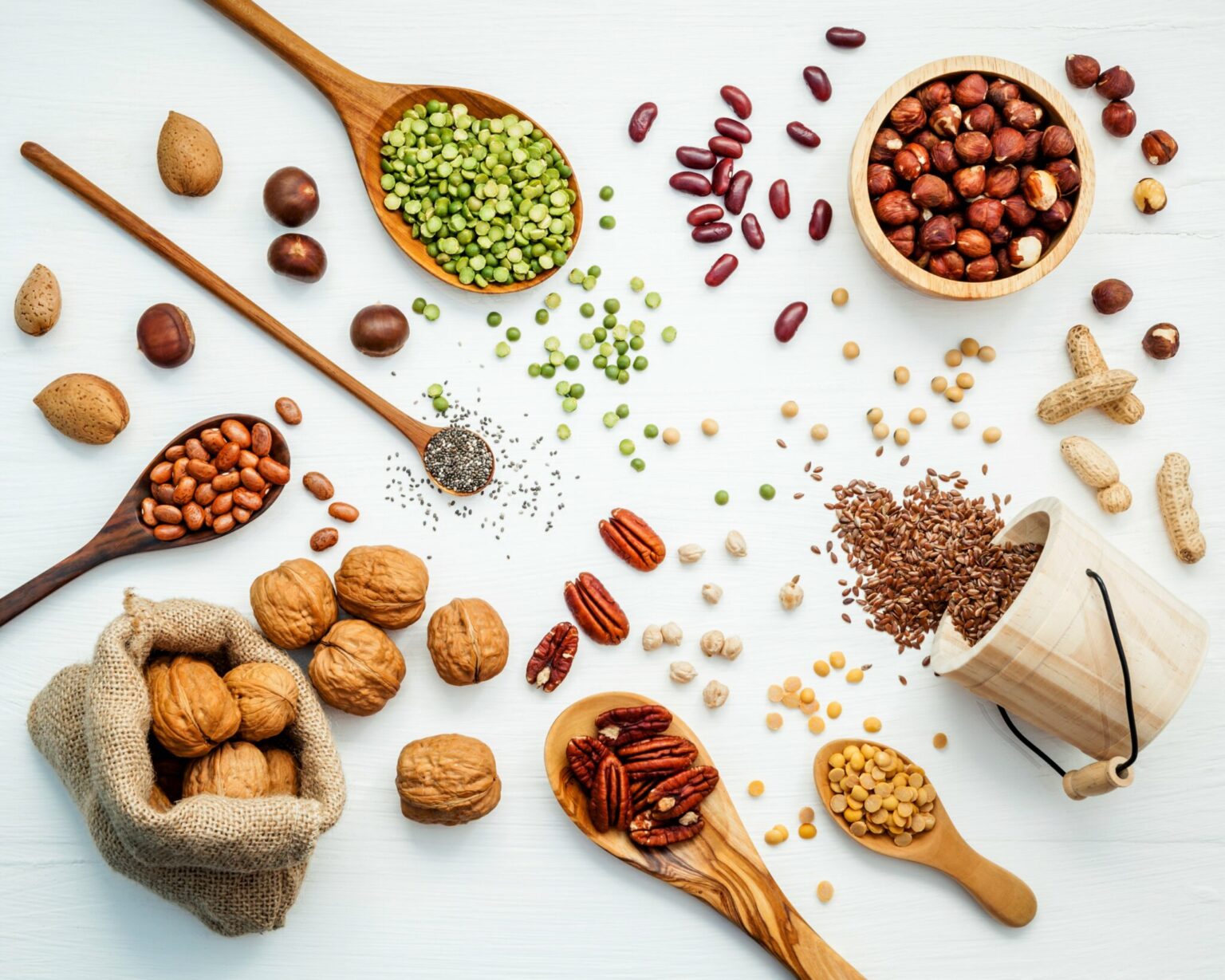
Disa shembuj të burimeve të vitaminës E përfshijnë:

  • Produkte me drithëra të plota, si tërshëra;
  • Vajra bimore, si vaji i misrit dhe lulediellit;
  • Margarina bimore e butë;
  • Arra;
  • Farat;
  • Vaji i mëlçisë së peshkut;
  • Peshk yndyror;
  • Vezë;
  • Avokado;
  • Mango.

Ushqimet e freskëta dhe të gatuara lehtë, ose të përpunuara minimalisht, kanë përmbajtjen më të lartë të vitaminës E, pasi kjo vitaminë shkatërrohet lehtë kur ekspozohet ndaj nxehtësisë ose ngrirjes.

Doza e rekomanduar e vitaminës E

Ashtu si me shumë vitamina të tjera, ka një dozë ditore të rekomanduar që zakonisht merret përmes një diete të shëndetshme dhe të balancuar.

Doza e rekomanduar e vitaminës E sipas moshës dhe gjinisë:

  • Fëmijët 3-5 vjeç: 5 mg
  • Fëmijët 6-9 vjeç: 6 mg
  • Fëmijët 10-13 vjeç: 7 mg për vajza dhe 8 mg për djem
  • Burrat e rritur: 10 mg
  • Gratë e rritura: 8 mg

Shembull:

  • Një lugë gjelle vaj luledielli përmban 5.6 mg vitaminë E;
  • Gjysmë filxhani spinaq i zier përmban 1.9 mg;
  • Dy lugë gjelle gjalpë kikiriku përmbajnë 2.9 mg.
What is good health?

Do you have a good lifestyle?

Lifestyle simply means the way in which you live. Health and lifestyle go hand in hand. You might feel you have a good lifestyle if you are physically active, eat healthily and generally experience a sense of wellbeing. Conversely, if you want good health you should also have a good lifestyle.

Physical activity is the major contributor to a good lifestyle, but diet, drugs, stress, sleep and social conditions are also play an important role. Being able to use the body properly to avoid injury also affects lifestyle. Physical activity can also prevent depression and help you to recover more quickly from mental illness, both of which obviously affect your lifestyle.

Diet can be a difficult topic for many. Perhaps you eat too much or too little or maybe you find it hard to know what foods to combine to have a balanced diet. It’s also important to eat food that contains important vitamins, minerals and dietary fibre, omega-3 and antioxidants. On top of all this, you also need to get enough energy, protein and the correct fatty acids. The requirement for these nutrients changes throughout your life. When you are older you also have different requirements than children and younger adults. Women also have different requirements than men. Pregnant and breastfeeding mothers also have special requirements.

When you get older, you lose muscle mass and your body requires less energy and therefore less food. You may lead a less active life than you did before, which is why you require less food. However, your need for minerals, vitamins and other nutrients remains the same. Of course, there are plenty of healthy and active older people, but when you reach 70 to 80 years of age, it’s easier to become ill, especially during flu season.

Some steps you can take to improve your lifestyle and health are to:

What is good quality of life?

The World Health Organisation (WHO) defines quality of life as a state where the individual can realise their potential, cope with normal stressful situations, work in a rewarding and positive way, and be able to contribute to others and society. 

Quality of life is a wide and somewhat diffuse concept that includes joy in, and a desire for, life. These are values that are rather felt than measured, which in turn are based on personal environment and choices. Quality of life doesn’t necessarily depend on being healthy or sick. It’s the moments between worries, sorrows, problems and ailments that matter. For example, if you have a chronic illness, a feeling of mastery can be important when talking about quality of life.

To sum up, quality of life is a combination of health, lifestyle, networks and social support. It’s about experiencing joy, meaning in life, satisfaction, security and a sense of belonging, as well as being able to use your strengths. It’s also about feeling interest in life, coping with everyday situations and a being committed to something or someone. If you have good quality of life, you will be able to cope better with the inevitable stressful situations in life.

Produktet tona