
Rëndësia e omega-3 gjatë shtatzanisë: Një udhëzues për nënat

Konsumimi i omega-3 është thelbësor për të ruajtur funksionet dhe proceset normale të trupit, dhe konsumimi i Omega-3 bëhet edhe më i rëndësishëm gjatë shtatzanisë.

Omega-3 gjatë shtatzanisë

Të kujdesesh për fëmijën tënd fillon ditën kur mëson se je shtatzënë, prandaj është e kuptueshme që je më e shqetësuar për atë që ha. Dieta juaj është gjithashtu dieta e foshnjës suaj, dhe gjatë kësaj periudhe është më e rëndësishme se kurrë të kesh një dietë të shëndetshme dhe të larmishme, me burime të sigurta të acideve yndyrore omega-3.

Omega-3 për trurin dhe sytë

Autoriteti Evropian për Sigurinë Ushqimore (EFSA) rekomandon që gratë shtatzëna të kenë një marrje ditore prej 200 miligramësh të acidit yndyror DHA. DHA gjendet te peshqit e yndyrshëm si salmoni, trofta, harenga, skumbria dhe sardelet. Disa ushqime të pasura me omega-3, si salmoni i tymosur dhe toni i papërpunuar (sushi), nuk rekomandohen gjatë shtatzënisë për shkak të rrezikut nga bakteria listeria, e cila mund të dëmtojë foshnjën tuaj të palindur.

Listeria mund të rritet në ushqime që nuk janë ngrohur, si salmoni i tymosur dhe toni i papërpunuar. Kur jeni shtatzënë, duhet gjithashtu të shmangni havjaret dhe patetën e mëlçisë për shkak të rrezikut nga toksinat.

Acidet yndyrore omega-3 kontribuojnë në zhvillimin normal të trurit dhe funksioneve të syve të foshnjës, duke e bërë omega-3 shumë të rëndësishëm. Gjatë 40 javëve të shtatzanisë, ndodhin shumë gjëra për zhvillimin e foshnjës suaj, dhe zgjedhjet që bëni ndikojnë drejtpërdrejt në këtë proces.

Kjo vlen edhe pas lindjes, kur foshnja ushqehet me gji dhe vazhdon të marrë lëndë ushqyese nga ju.

Një shtatzani e sigurt

Kur je shtatzënë, është krejt e natyrshme që dëshiron më të mirën për foshnjën tënde. Si shumica e nënave të ardhshme, ndoshta kalon më shumë orë se zakonisht duke kërkuar informacion në internet. Dëshiron të marrësh vendime të sigurta, të bazuara në kërkime dhe testime të rrepta, dhe jo të blesh gjënë e parë që gjen.

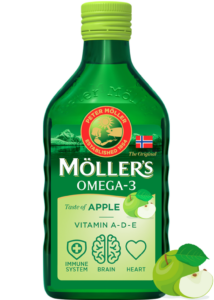
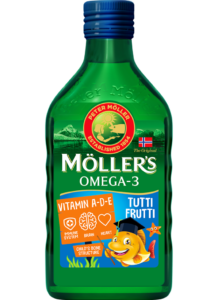
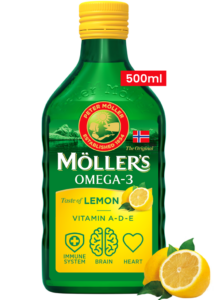
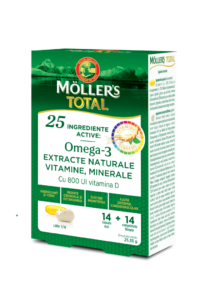
Kjo vlen për gjithçka, nga zgjedhja e një monitori për foshnjën deri te suplementet ushqimore. Kur zgjedh suplemente omega-3, është e rëndësishme të kesh parasysh se jo të gjithë prodhuesit kanë të njëjtat standarde të larta në procesin e prodhimit.

Sigurohuni të zgjidhni një prodhues që ndjek standarde të larta në kontrollin e cilësisë gjatë gjithë procesit të prodhimit. Vetëm më e mira është mjaft e mirë për ju dhe foshnjën tuaj!
What is good health?

Do you have a good lifestyle?

Lifestyle simply means the way in which you live. Health and lifestyle go hand in hand. You might feel you have a good lifestyle if you are physically active, eat healthily and generally experience a sense of wellbeing. Conversely, if you want good health you should also have a good lifestyle.

Physical activity is the major contributor to a good lifestyle, but diet, drugs, stress, sleep and social conditions are also play an important role. Being able to use the body properly to avoid injury also affects lifestyle. Physical activity can also prevent depression and help you to recover more quickly from mental illness, both of which obviously affect your lifestyle.

Diet can be a difficult topic for many. Perhaps you eat too much or too little or maybe you find it hard to know what foods to combine to have a balanced diet. It’s also important to eat food that contains important vitamins, minerals and dietary fibre, omega-3 and antioxidants. On top of all this, you also need to get enough energy, protein and the correct fatty acids. The requirement for these nutrients changes throughout your life. When you are older you also have different requirements than children and younger adults. Women also have different requirements than men. Pregnant and breastfeeding mothers also have special requirements.

When you get older, you lose muscle mass and your body requires less energy and therefore less food. You may lead a less active life than you did before, which is why you require less food. However, your need for minerals, vitamins and other nutrients remains the same. Of course, there are plenty of healthy and active older people, but when you reach 70 to 80 years of age, it’s easier to become ill, especially during flu season.

Some steps you can take to improve your lifestyle and health are to:

What is good quality of life?

The World Health Organisation (WHO) defines quality of life as a state where the individual can realise their potential, cope with normal stressful situations, work in a rewarding and positive way, and be able to contribute to others and society. 

Quality of life is a wide and somewhat diffuse concept that includes joy in, and a desire for, life. These are values that are rather felt than measured, which in turn are based on personal environment and choices. Quality of life doesn’t necessarily depend on being healthy or sick. It’s the moments between worries, sorrows, problems and ailments that matter. For example, if you have a chronic illness, a feeling of mastery can be important when talking about quality of life.

To sum up, quality of life is a combination of health, lifestyle, networks and social support. It’s about experiencing joy, meaning in life, satisfaction, security and a sense of belonging, as well as being able to use your strengths. It’s also about feeling interest in life, coping with everyday situations and a being committed to something or someone. If you have good quality of life, you will be able to cope better with the inevitable stressful situations in life.

Produktet tona