
Shtatzënia është një fazë e rëndësishme në jetë. Papritur, jeni përgjegjëse për një jetë tjetër dhe duhet të mendoni me kujdes për mënyrën si ushqeni trupin tuaj. Në disa raste, mund të keni nevojë për suplemente.
Çfarë duhet të konsumoni?
Në përgjithësi, nëse hani një dietë të shëndetshme dhe të larmishme, si pjesa tjetër e popullsisë, do të merrni të gjitha lëndët ushqyese që ju nevojiten. Megjithatë, ndonëse një suplement nuk mund të zëvendësojë një dietë të shëndetshme, ka disa lëndë ushqyese që duhet të siguroheni se i merrni mjaftueshëm.
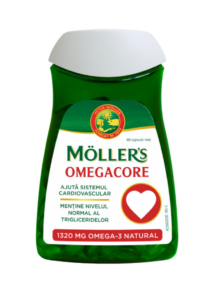
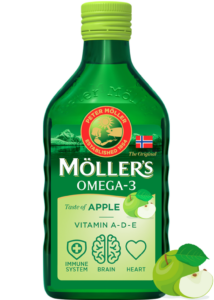
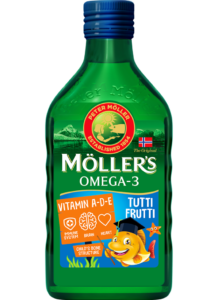
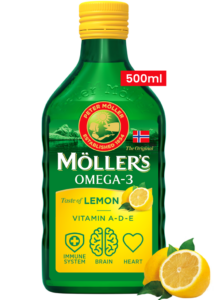
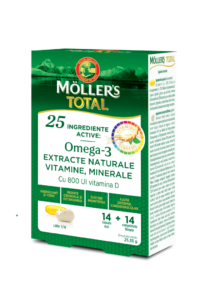
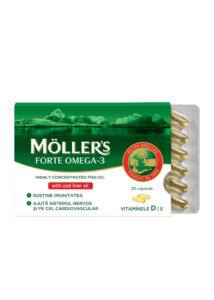
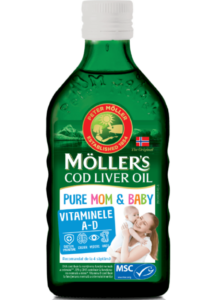
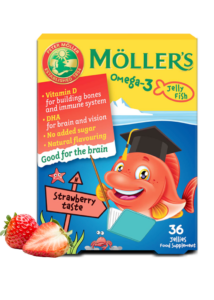
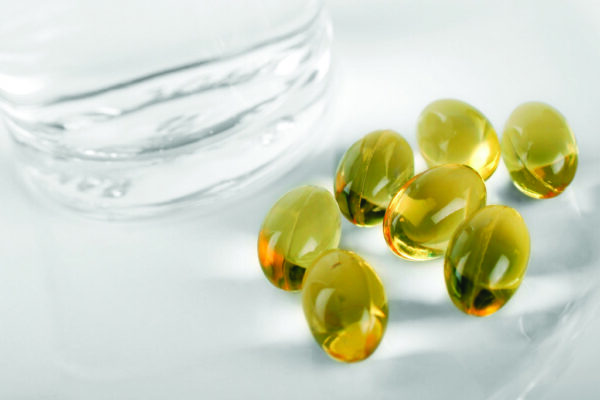
Suplementet e Omega-3
Trupi juaj nuk mund të prodhojë acidet yndyrore Omega-3 dhe Omega-6 në mënyrë efikase, kështu që këto duhet t’i merrni përmes dietës ose suplementeve. Acidi yndyror omega-6, i njohur si acidi linoleik, gjendet në vajra bimore si vaji i lulediellit, misrit dhe sojës. Arrat, farat, drithërat dhe disa perime si avokadoja janë burime të mira të omega-6.
Në një dietë normale, merrni mjaftueshëm omega-6, por burimet e omega-3 janë më të kufizuara. Acidet yndyrore omega-3 më të dobishme gjenden vetëm në burime yndyrore detare si skumbria, harenga, salmoni dhe anchovis. Marrja e acidit yndyror detar DHA kontribuon në zhvillimin normal të trurit dhe shikimit të foshnjës suaj.
Konsideroni një suplement omega-3 nëse hani më pak se dy porcione peshk yndyror në javë, siç rekomandon NHS.
Suplementet e vitaminës D
Mund të keni nevojë për një suplement shtesë të vitaminës D. Burimet e saj përfshijnë peshkun yndyror dhe disa produkte të pasura me vitaminë D, si qumështi dhe produktet e bulmetit. Trupi juaj prodhon vitaminë D kur ekspozohet në rrezet e diellit, por kjo mund të jetë e kufizuar gjatë dimrit në hemisferën veriore, ku ka më pak dritë dielli për disa muaj të vitit.
Për këtë arsye, NHS këshillon:
“Të gjithë të rriturit, përfshirë gratë shtatzëna dhe ato që ushqejnë me gji, duhet të marrin 10 mikrogramë vitaminë D në ditë dhe të konsiderojnë një suplement me këtë sasi.“
Vitamina D është e nevojshme për të përthithur kalciumin dhe fosforin, dy minerale të rëndësishme për ruajtjen e sistemit tuaj skeletor dhe zhvillimin e sistemit skeletor të foshnjës suaj. Gjatë shtatzënisë, nevoja për kalcium rritet lehtë.
Suplementet me acid folik
Marrja e acidit folik gjatë shtatzënisë ul rrezikun e defekteve kongjenitale si spina bifida. Për këtë arsye, NHS rekomandon që gratë të marrin një suplement prej 400 mikrogramësh acid folik që nga momenti kur planifikojnë shtatzëninë dhe gjatë tremujorit të parë.
Burime të mira të acidit folik janë brokoli, lakra jeshile, lakrat e Brukselit dhe spinaqi, si dhe produktet e drithërave të plota.
Suplementet e hekurit
Gjatë shtatzënisë, vëllimi i gjakut që transporton lëndët ushqyese dhe materialet e mbetjeve për ju dhe foshnjën tuaj rritet. Për këtë arsye, kërkesa për hekur, që ndodhet në qelizat e kuqe të gjakut, rritet.
Burimet e hekurit përfshijnë bukën dhe produktet e drithërave, mishin, fasulet, thjerrëzat, patatet dhe perimet e gjelbra. Gjatë çdo konsultimi të shtatzënisë, mjeku do të kontrollojë nivelet tuaja të hekurit për të parë nëse keni nevojë për një suplement.
Suplementet e jodit
Një studim i grave shtatzëna britanike tregoi se 74% konsumojnë më pak se sasia e rekomanduar prej 250 mikrogramësh jod në ditë, sipas WHO. Konsumi i qumështit, kosit dhe produkteve të detit, që janë burime kryesore të jodit, ka rënë vitet e fundit.
Jodi është i domosdoshëm për prodhimin e hormoneve të tiroides, të cilat janë thelbësore për metabolizmin e trupit dhe zhvillimin e trurit dhe sistemit nervor të foshnjës.
Nëse jeni shtatzënë ose ushqeni me gji dhe konsumoni më pak se 600 ml qumësht ose kos në ditë, ose hani pak ose aspak peshk, duhet të konsideroni një suplement të jodit.